


Education Policy Research Center

Education Policy Research Center
_476555.jpg)
Education Policy Research Center (EPAM) has undertaken the basic mission of monitoring, understanding, interpreting, explaining the transformation adventure experienced in Turkey in the field of education with the awareness of social responsibility and developing policies for the “Turkey of the Future”.
EPAM focuses on bringing together, Deciphering and creating an energy to create solutions to the problems of today and the future without sacrificing Turkey's experience, accumulation and opportunities in the field of education to artificial discussions and agendas.
EPAM's goal is to create an accumulation that will contribute to ensuring equality of opportunity and justice in education all over the world by doing studies that will strengthen the field of education in Turkey and share it with the whole society.
EPAM conducts needs-oriented, evidence-based and inclusive studies.
EPAM analyzes the issues it takes on the agenda in the field of education from a theoretical and historical point of view, creates data, examines the applied policies, produces policies, gives perspective to discussions with different views.
The main field of these studies is publications. The increased interaction in the relations between civil society and policy makers through publications and the mutual motivation shared for future studies are Decently valuable.
In this context, EPAM brings a participatory and multi-faceted perspective to education issues with field monitoring reports, analysis reports, field research, policy analysis, policy notes, study notes, opinion articles.
In this way, it contributes to the visibility of Turkey's accumulation, makes modest interventions that will improve the quality of education, keeps a record of developments and makes a note of history.
EPAM
Needs-Oriented, Evidence-Based, Inclusive
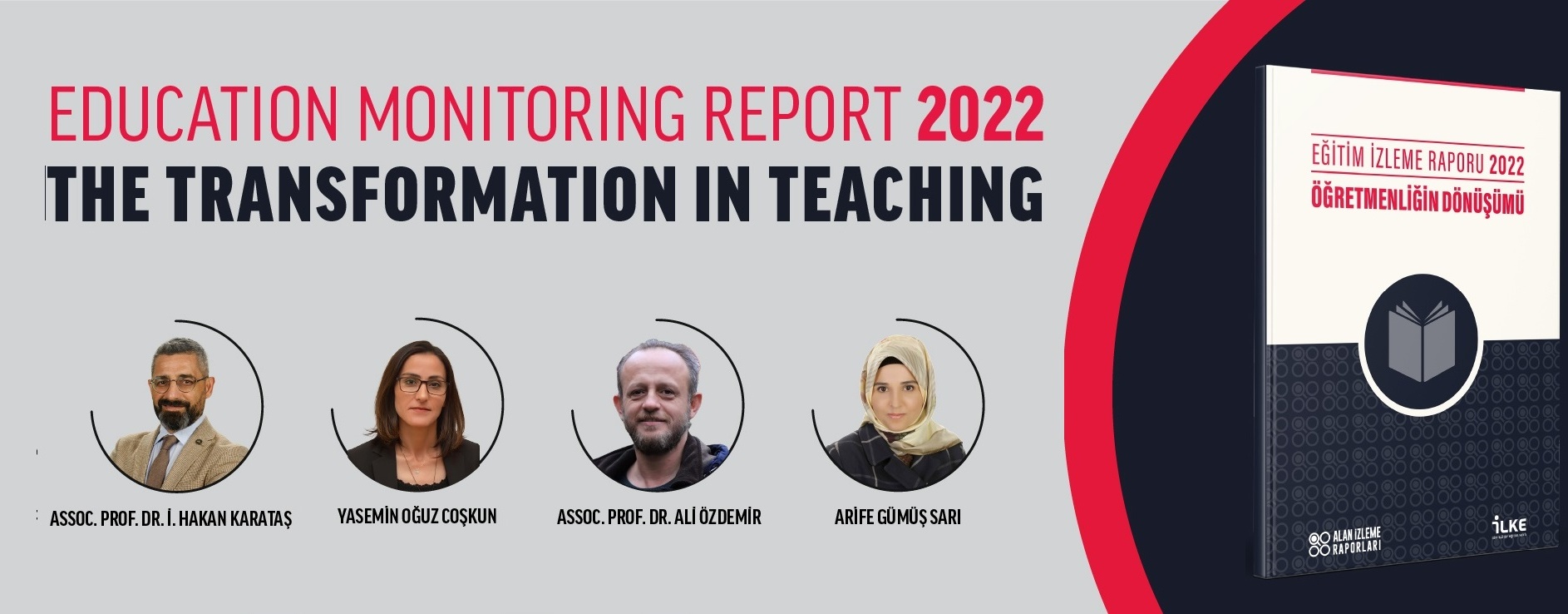







Yayınlar
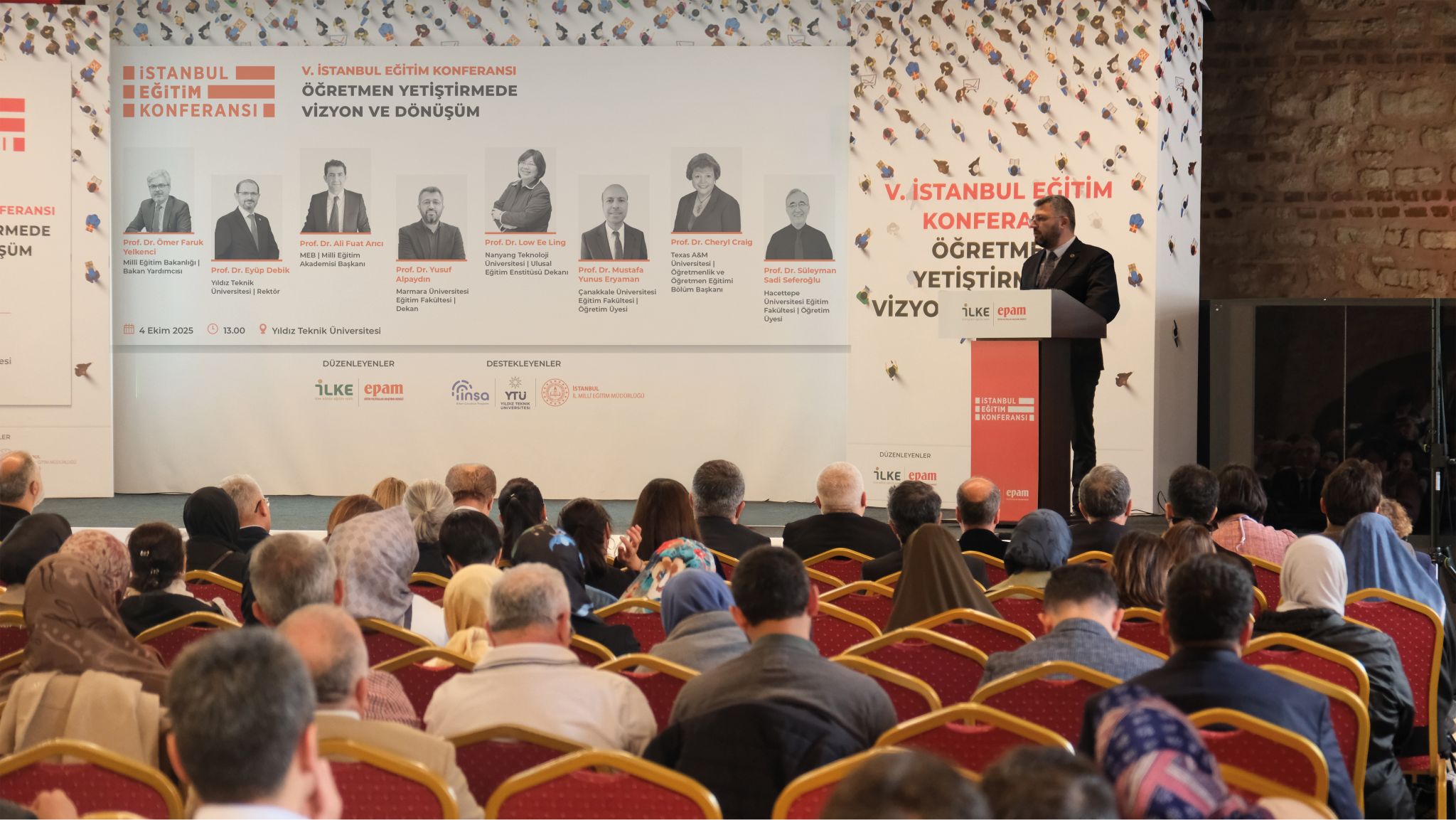
V. Istanbul Education Conference Insight Report
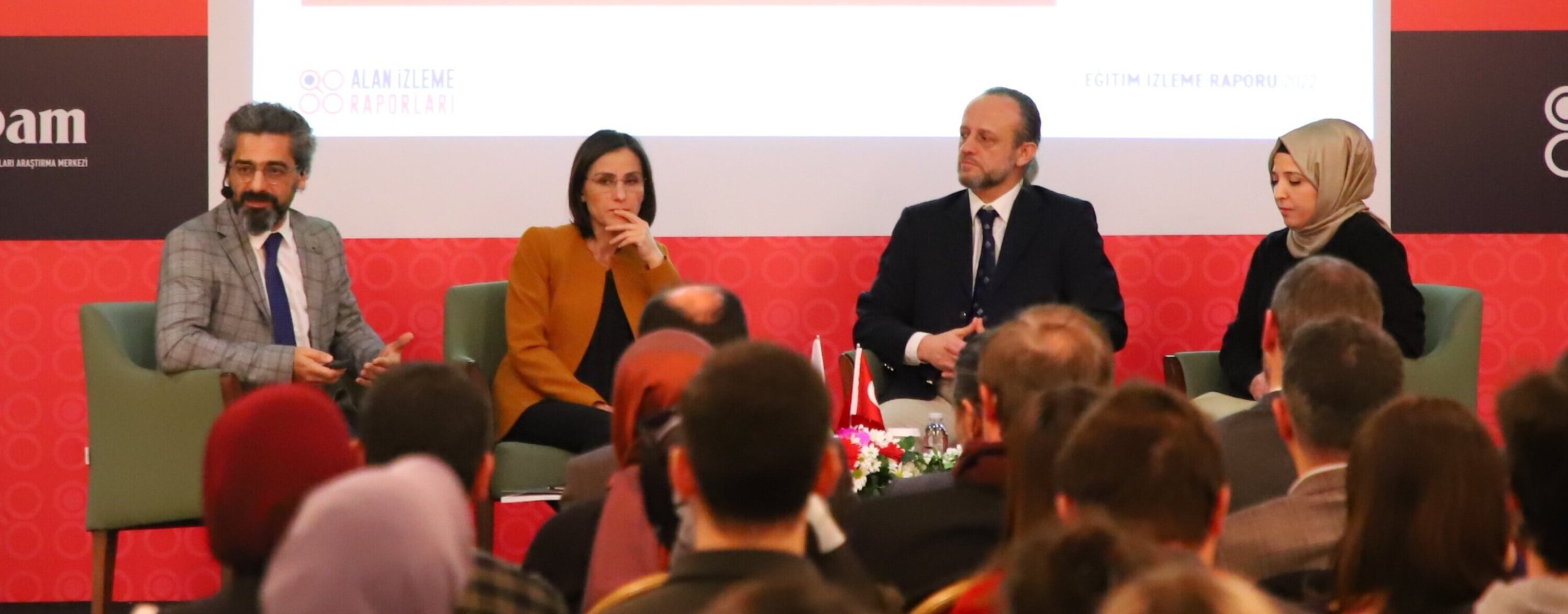
The V. Istanbul Education Conference, held under the theme “Vision and Transformation in Teacher Education”, provided a comprehensive platform for discussion, inviting participants to rethink the changing role of teachers and the transformation taking place in teacher education processes. During the conference, the question of how teacher education models should be restructured in line with the pedagogical, technological, and social dynamics of the 21st century was addressed from a multidimensional perspective.Among the conference’s key emphases was the need for teaching to evolve beyond merely transmitting knowledge into a field of expertise centered on guidance, value transmission, and the facilitation of learning processes. The impacts of digitalization, artificial intelligence, and new pedagogical approaches on teacher education were evaluated in light of national and international experiences. In addition, the conceptual framework offered by the Century of Türkiye Education (Maarif) Model for teacher education processes was placed at the heart of the discussions.The Insight Report of the V. Istanbul Education Conference presents a comprehensive evaluation of the field of teacher education and offers concrete recommendations, supporting the presentations and discussions held during the conference with academic literature, data, graphs, and visual materials.Turkish: V. İstanbul Eğitim Konferansı Sonuç Raporu
Etkinlikler
The Issue of Access to Religious Education in Primary Schools in Türkiye
The fact that the Religious Culture and Moral Knowledge (DKAB) course is included in the school curriculum in Türkiye starting from the 4th grade, while no such course is offered in the first three years of primary education, constitutes a significant limitation in terms of access to religious education in primary schools. A sound analysis of the reasons for and consequences of this limitation requires the issue to be addressed from a multidimensional perspective.This analysis report examines the current practice regarding the grade level at which the DKAB course begins, considering its historical, legal, and pedagogical dimensions. In this context, the report indicates that this limitation is not based on a clear legal or scientific justification, while international practices and findings from developmental psychology suggest that religious and moral education can be provided in early childhood through appropriate pedagogical approaches.By questioning the current approach, the report evaluates the issue of access to religious education in primary schools from multiple dimensions and presents applicable recommendations for education policies.The report presentation will be moderated by EPAM Director Prof. Ayhan Öz and delivered by the author of the report, Prof. Recep Kaymakcan.The Issue of Access to Religious Education in Primary Schools in TürkiyeDate: Tuesday, May 5, 2026 Time: 18:00 Venue: ILKE Foundation
Haber
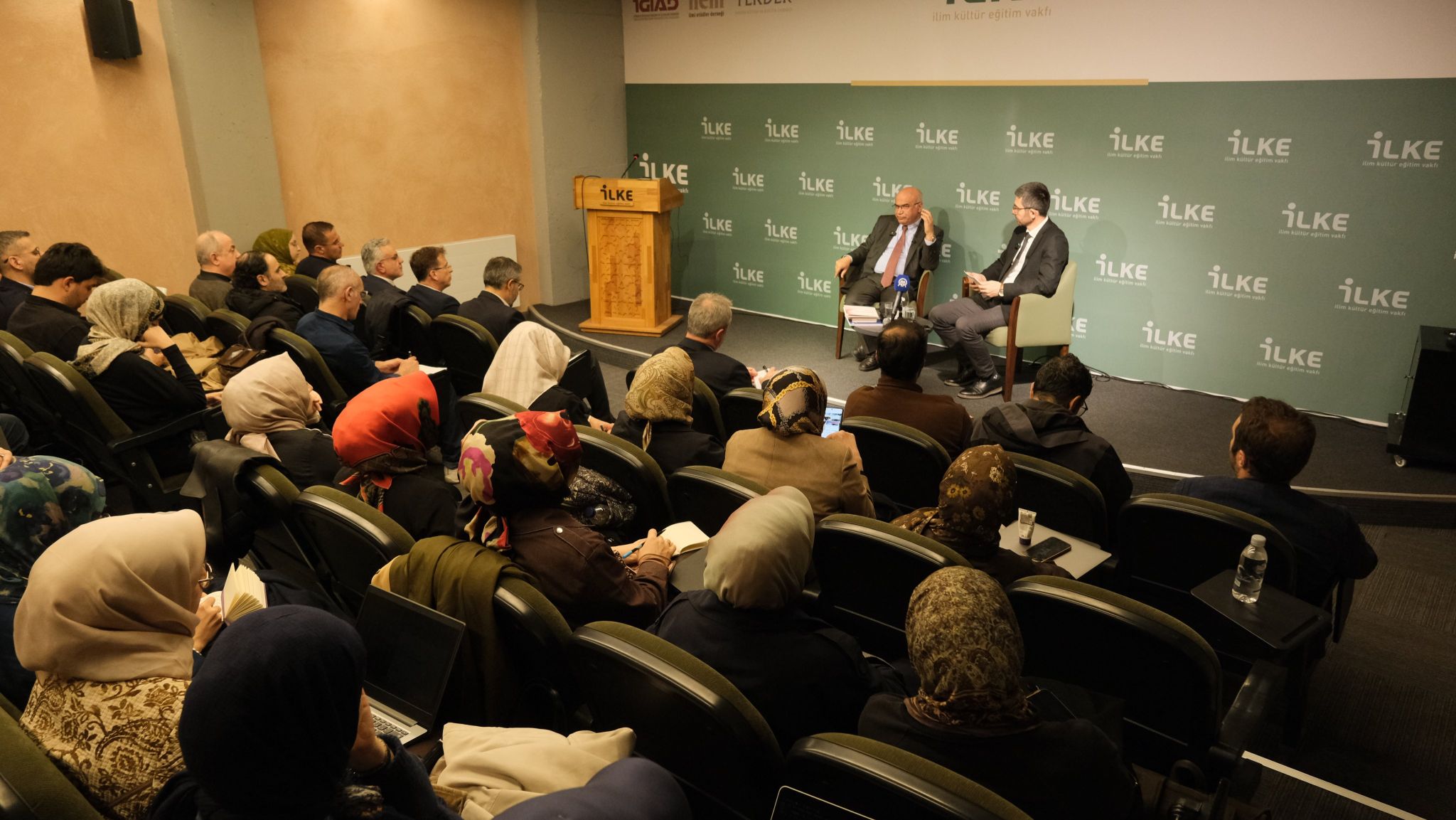
Report Presentation on Access to Religious Education in Primary Schools in Türkiye Held at ILKE Foundation
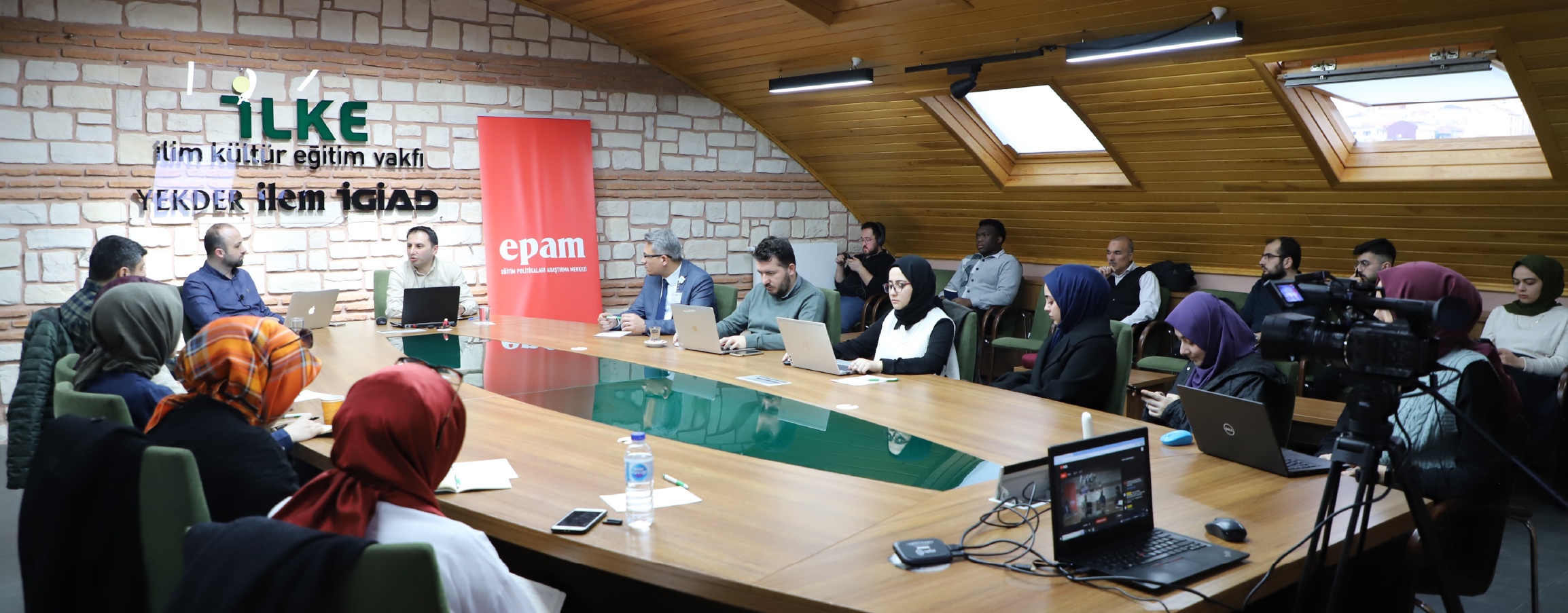
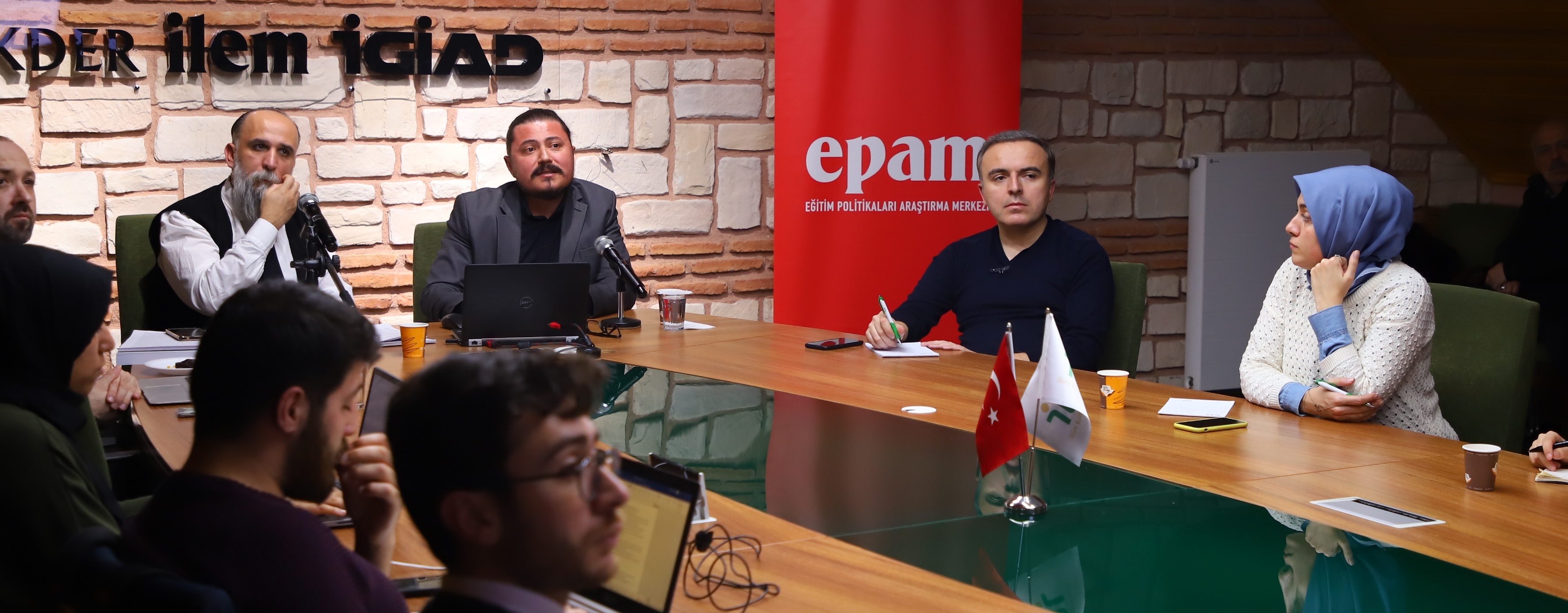
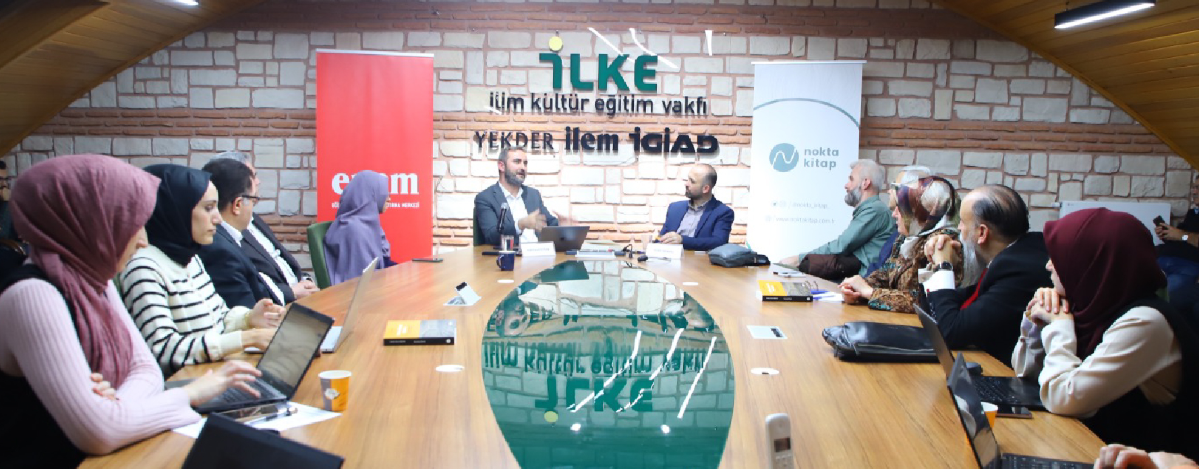
The report titled The Issue of Access to Religious Education in Primary Schools in Türkiye, prepared by Prof. Recep Kaymakcan under the Education Policy Research Center (EPAM) of the ILKE Foundation, was presented at the ILKE Foundation. Introduced to the public with the participation of academics, educators, graduate students, and representatives of civil society organizations, the report examines access to religious education at the early childhood and primary school levels in Türkiye from both academic and policy perspectives, offering a multidimensional analysis of the current situation.The program began with opening remarks by Atty. Ahmet Sait Öner, Chairman of the Board of the ILKE Foundation. It continued with speeches by Ömer Avcı, Deputy Director of the Istanbul Provincial Directorate of National Education, and Hasan Özarslan, Head of the Department of Curricula and Educational Materials at the Directorate General for Religious Education. Following these remarks, EPAM Director Prof. Ayhan Öz and the report’s author, Prof. Recep Kaymakcan, delivered the presentation of the report.“Discussions on religious education in early childhood are often conducted on ideological grounds rather than on the basis of data.”In his presentation, Kaymakcan stated that criticisms of religious education in early childhood are largely based on ideological approaches rather than data-driven perspectives. From the standpoint of comparative education policies, he noted that religious education is systematically provided from an early age in many countries. Kaymakcan emphasized that Türkiye’s divergence from global trends in this field points to a significant policy gap.“The most fundamental issue in early childhood is ensuring institutional access to religious education.”Kaymakcan underlined the need to distinguish between the issues of “access” and “quality” in discussions on religious education. He stated that, in early childhood, the primary concern is first and foremost to ensure access to institutional religious education. Noting that Türkiye has achieved significant institutional progress in the field of religious education in recent years, Kaymakcan nevertheless stressed that the lack of access at the early childhood level remains one of the most critical structural challenges of the system.“Early childhood is a critical stage in which the foundations of personality and value systems are formed.”Emphasizing that religious education in early childhood should be delivered through content and methods appropriate to children’s developmental levels, Kaymakcan stated that this period is a critical developmental stage during which the foundations of personality and value systems are laid. He noted that the knowledge and values acquired during this period are known to be lasting and functional, adding that qualified religious education can make long-term and positive contributions to an individual’s moral and spiritual development.“Children’s natural curiosity about existential questions should be supported pedagogically.”Kaymakcan highlighted that children develop a natural curiosity about this field at an early age and that supporting this curiosity pedagogically is critical for lasting learning. He stated that religious education policies should be developed on a data-driven basis, curricula should be shaped according to children’s interests and needs, and teacher training processes should be strengthened.The program concluded with an evaluation session during which participants’ questions were addressed.